
The World of Spices: A Flavorful Journey through History, Culture, and Health
Spices are an essential part of culinary traditions across the globe. They have been used for thousands of years, not only to enhance the flavor of food but also for their medicinal properties. From the fiery kick of chili peppers to the aromatic allure of cinnamon, spices bring depth and complexity to dishes, transforming even the simplest ingredients into extraordinary culinary experiences.
In this blog, we will explore the fascinating world of spice, discussing its historical significance, health benefits, and how it continues to shape cultures and cuisines worldwide. By the end, you’ll have a deeper appreciation for these flavorful treasures and why they are such an important part of daily life.
A Brief History of Spice
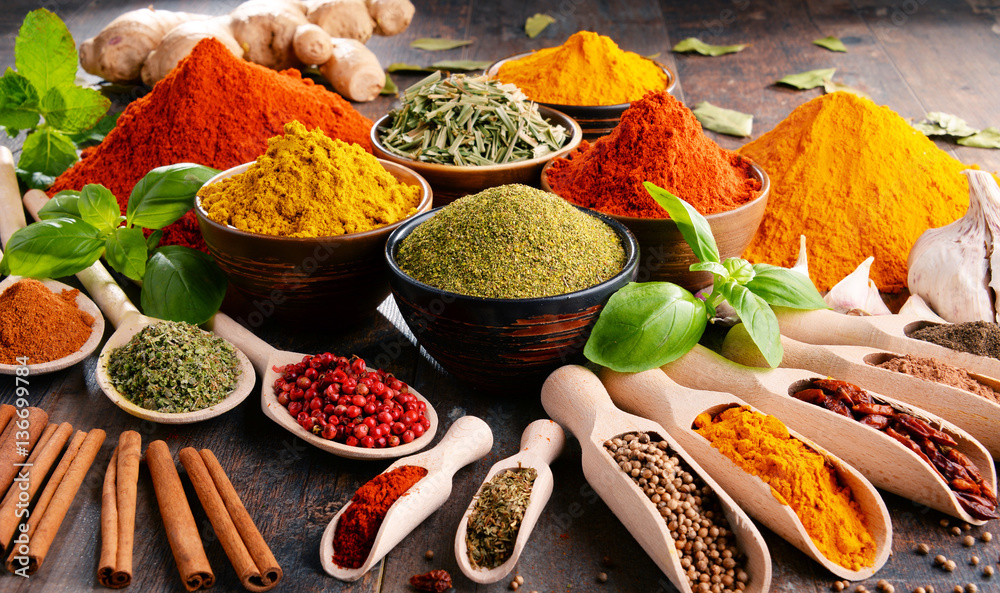
The history of spice is intertwined with the history of humanity. Early humans used spices like cloves, cumin, and pepper to preserve food and mask off-flavors before refrigeration was available. As civilizations developed, the demand for spice increased, and trade routes were established, bringing exotic flavors from one part of the world to another.
Perhaps the most famous period in spice history is the Age of Exploration. During the 15th and 16th centuries, European explorers like Christopher Columbus and Vasco da Gama set out to discover new trade routes to the East, where flavorings like pepper, cinnamon, and nutmeg were highly prized. These spices were so valuable that they were often used as currency, and wars were fought over control of spice trade routes. The spice trade influenced the development of global economies, and many cities grew wealthy from it.
Spices have also played a critical role in the spread of culture. As spice routes expanded, so did the exchange of ideas, technologies, and customs. Today, many dishes around the world have their origins in the blending of flavors and herb from different regions, showcasing the ability of spice to transcend borders and bring people together.
Health Benefits of Spice
Beyond their ability to add spices to food, herb are packed with health benefits. Many have been used in traditional medicine systems like Ayurveda and Traditional Chinese Medicine for centuries to treat a variety of ailments. Here are some of the health benefits of commonly used spices:
1. Turmeric:
Turmeric, a bright yellow spice widely used in Indian cuisine, contains the compound curcumin, which has powerful anti-inflammatory and antioxidant properties. It is often used to reduce inflammation, improve heart health, and may even play a role in preventing cancer. Incorporating turmeric into your diet through curries, soups, or even smoothies can help boost your immune system and support overall wellness.
2. Cinnamon:
This sweet and warm spice is not only a delicious addition to baked goods and Beverages but also has a host of health benefits. Cinnamon is known to regulate blood sugar levels, making it a great spice for people with diabetes. It also has anti-inflammatory properties and may help reduce the risk of heart disease by lowering cholesterol levels. A sprinkle of cinnamon in your morning oatmeal or coffee can give your body an extra health boost.
3. Ginger:
Ginger is another spice with powerful medicinal properties. It is commonly used to treat nausea and digestive issues, making it a popular remedy for motion sickness and morning sickness during pregnancy. Ginger’s anti-inflammatory properties can also help alleviate pain from conditions like arthritis and muscle soreness. Whether used fresh or dried, ginger adds a zesty, slightly spicy flavor to both sweet and savory dishes.
4. Pepper:
Black pepper, often referred to as the “king of herb,” has been a staple in kitchens around the world for centuries. Piperine, the active compound in black pepper, improves digestion and boosts the absorption of other nutrients in the body, making it an essential companion to many other flavoring, particularly turmeric. Pepper also has antioxidant properties and may help improve brain function.
5. Chili Peppers:
If you love spicy food, you’re likely familiar with the heat of chili peppers. Capsaicin, the compound responsible for the spiciness in chili peppers, has been shown to increase metabolism, reduce pain, and improve heart health. While too much chili can be overwhelming for some, adding just a small amount of chili pepper or hot sauce to your meals can have numerous health benefits.
The Role of Spice in Culture and Cuisine
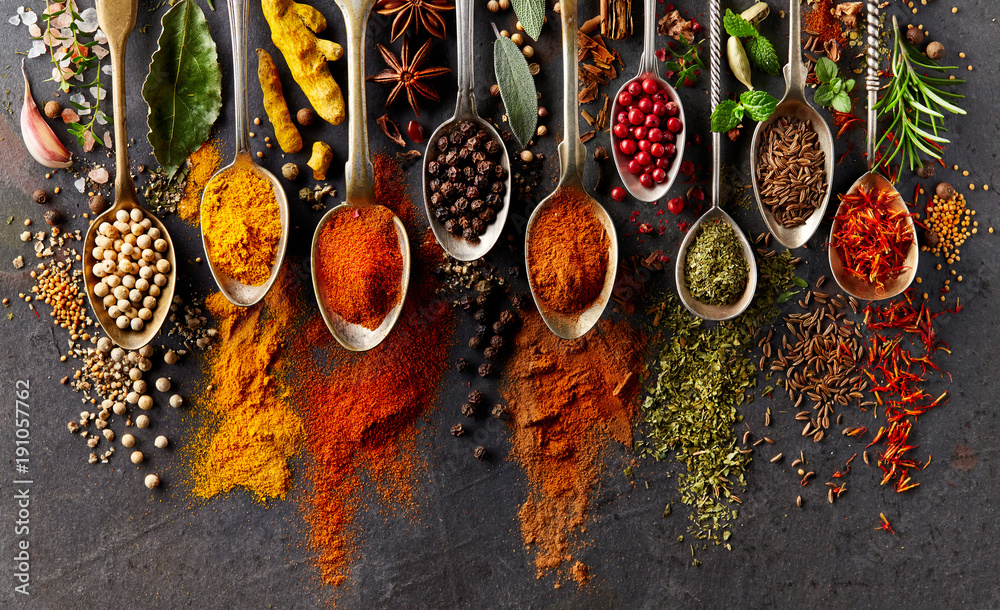
The cultural significance of SPICES cannot be overstated. are central to many traditional dishes and are often tied to cultural identity. In countries like India, Mexico, and relish. Thailand, spice is an integral part of everyday cooking. These countries have developed rich culinary traditions based on the use of a variety of herb, each carefully selected to create complex and harmonious flavors.
In Indian cuisine, for example, masalas (spice blends) are used to flavor curries, rice dishes, and bread. Each region of India has its own signature blend of herb, reflecting the local ingredients and culinary customs. From the fragrant garam masala of North India to the fiery blends of the South, spice is at the heart of Indian cooking.
In Mexican cuisine, chili peppers are king. . Spice plays an important role not only in flavor but also in the balance of heat and acidity that is characteristic of Mexican dishes.
Thai cuisine is another example where spices plays a starring role. The delicate balance of sweet, sour, salty, and spicy flavors in dishes like Thai curry and Tom Yum soup is achieved through the use of a variety of herb, including lemongrass, galangal, and Thai chilies.
Masala also hold cultural and religious significance. In many traditions, herbs are used in rituals and ceremonies. For instance, saffron is considered a sacred spice in many cultures and is used in religious offerings and festive dishes.
How to Store and Use SPICES
To get the most out of your spices, it’s important to store them properly and use them correctly. Here are a few tips for ensuring your seasoning remain fresh and flavorful:
- Store in a Cool, Dark Place: Heat, light, and moisture can degrade the flavor and potency of flavoring. Keep your seasoning in airtight containers and store them in a cool, dark place, away from direct sunlight and the heat of the stove.
- Buy Whole and Grind as Needed: Whole spices, such as peppercorns, cumin seeds, and cloves, retain their flavor longer than pre-ground masala. Invest in a spice grinder or mortar and pestle to grind your herb as needed for maximum freshness.
- Toast Spices Before Use: Toasting herb in a dry pan before using them can enhance their flavor and aroma. This is especially effective for seasoning like cumin, coriander, and fennel seeds.
- Use Sparingly: While masala add flavor, a little goes a long way. Start with small amounts and adjust to taste, especially when using strong masala like cloves or cinnamon.
Final Thoughts on SPICES
masalas are a remarkable and versatile ingredient that has shaped the culinary and cultural landscape of the world. From their historical significance in global trade to their numerous health benefits, spice is much more than just a flavor enhancer – it’s a valuable commodity that has stood the test of time.
Whether you’re cooking up a storm in the kitchen or simply looking to improve your health, incorporating a variety of herb into your meals is a simple and delicious way to do so. Explore the diverse world of spices, experiment with new flavors, and enjoy the rich benefits they have to offer.
YOU CAN ALSO VISIT OUR SOCIAL MEDIA ACCOUNT.