
DESI MASALA : A Flavorful Powerhouse of Health and Tradition, the heart of Indian cuisine, is more than just a blend of spices. It carries with it the legacy of thousands of years of culinary tradition, healing wisdom, and profound flavor. Whether used to season curries, enhance the richness of gravies, or sprinkle magic on simple dishes, DESI MASALA is a staple in households across South Asia and beyond. But blend spice is not only about tantalizing the taste buds—it offers a wealth of health benefits and cultural significance. This blog delves deep into what makes desi masala so special, its health benefits, cultural significance, and tips for incorporating it into daily meals.
What is DESI MASALA?
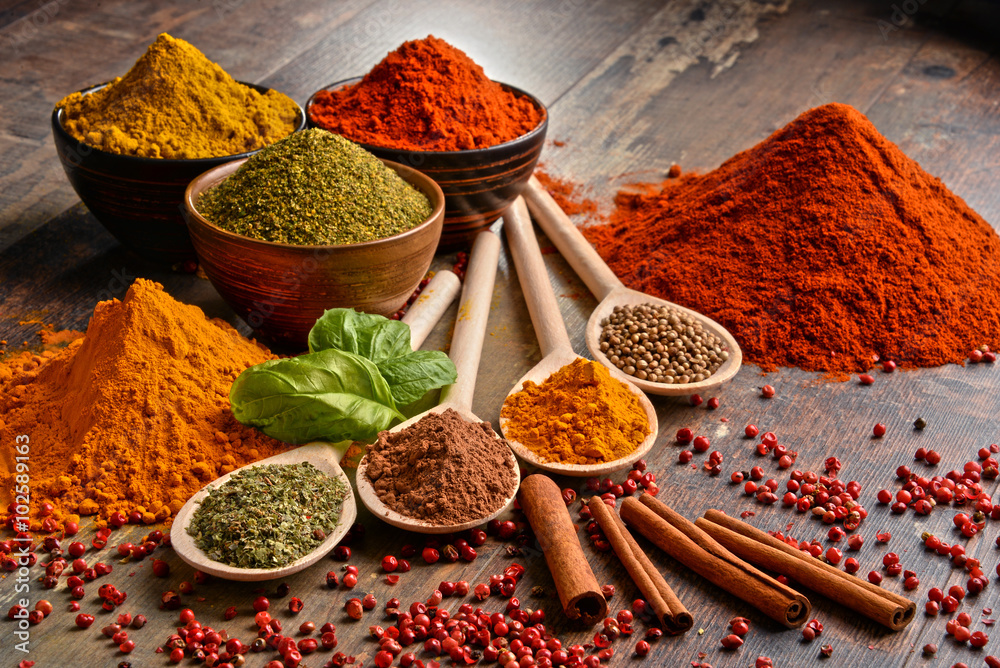
At its core, Indian masala refers to the traditional blend of spices used in Indian cooking. The term “masala” means spice mix, and “desi” refers to something indigenous or native, in this case, to South Asia. The spice blends vary depending on region, culture, and even household preferences, but some common spices that form the base of DESI MASALA include:
- Turmeric: Known for its vibrant yellow color and anti-inflammatory properties.
- Cumin: Offers a warm, earthy flavor and is great for digestion.
- Coriander: Adds a fresh, citrusy taste and is rich in antioxidants.
- Ginger: Spicy and aromatic, known for its digestive and anti-nausea properties.
- Garlic: Pungent and flavorful, garlic has anti-bacterial and immune-boosting effects.
- Chili: Provides heat and is rich in vitamin C, helping to boost metabolism.
- Cloves, Cardamom, Cinnamon: These warm spices are often added to sweet and savory dishes for depth of flavor and their medicinal properties.
The Role of DESI MASALA in Indian Cooking
In Indian cuisine, INDIAN MASALA is indispensable. Every household has its unique blend of spices, passed down through generations, fine-tuned to match the family’s flavor preferences. The masala may be used in dry form, or it could be prepared fresh with ground spices, garlic, ginger, and herbs to form a paste. Here are some key uses:
- Seasoning for curries: The most popular use of DESI MASALA is in rich, flavorful curries where spices come together to create a complex taste.
- Marination: Masala is often used to marinate meat, fish, or paneer, helping to tenderize proteins and infuse them with flavor.
- Dry rubs and stir-fries: Many dry vegetables and meat dishes are coated in a simple mix of desi spices to enhance their natural flavors.
- Flavor enhancers in dals and soups: A small pinch of DESI MASALA can transform lentils, soups, and stews, giving them a richer and more satisfying taste.
Health Benefits of DESI MASALA
The spices in HOME MADE SPICE aren’t just used for their flavor; they also provide a range of health benefits that make them integral to holistic well-being. Here’s a breakdown of the health benefits of common spices found in desi masala:
1. Anti-inflammatory Properties
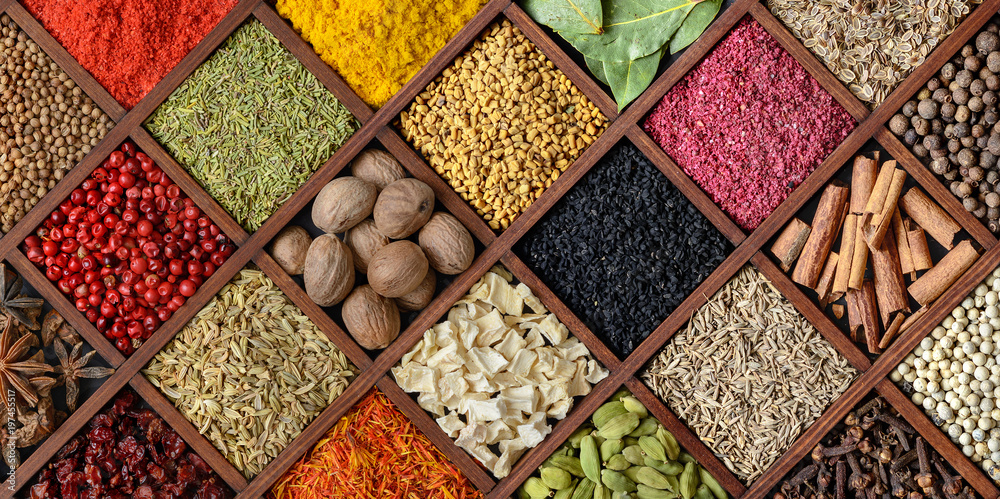
Many spices, such as turmeric, contain compounds like curcumin, which have strong anti-inflammatory effects. Regular consumption of DESI MASALA can help reduce chronic inflammation, which is linked to diseases like arthritis, heart disease, and even cancer.
2. Improved Digestion
Cumin, coriander, fennel, and ginger are all excellent for promoting digestion. Cumin helps stimulate the production of digestive enzymes, while ginger has been used for centuries to alleviate nausea and indigestion.
3. Boosts Immunity
The immune-boosting properties of garlic, turmeric, and cloves cannot be overstated. Garlic is a natural antibiotic, turmeric boosts the body’s antioxidant capacity, and cloves are known to have antiseptic and antimicrobial effects. These spices work together to protect the body from infections and strengthen the immune system.
4. Heart Health
Several spices in INDIAN MASALA, such as cinnamon and cardamom, are known to help regulate cholesterol levels and improve heart function. They reduce LDL (bad cholesterol) and support healthy blood pressure, reducing the risk of heart disease.
5. Rich in Antioxidants
Many spices, including cumin, coriander, and chili, are rich in antioxidants. These compounds help protect the body against oxidative stress, which is linked to aging and many chronic diseases. By incorporating SEASONING into your meals, you can help your body combat free radicals and promote longevity.
6. Metabolism Boost
Chilies and black pepper, often part of DESI MASALA, are known for their thermogenic properties. They help increase the body’s metabolic rate, aiding in weight management and fat burning.
7. Regulates Blood Sugar
Spices like cinnamon and fenugreek are known for their ability to regulate blood sugar levels. Adding desi masala to your diet can help prevent spikes in blood glucose, making it beneficial for people with diabetes or those looking to prevent it.
Cultural Significance of DESI MASALA
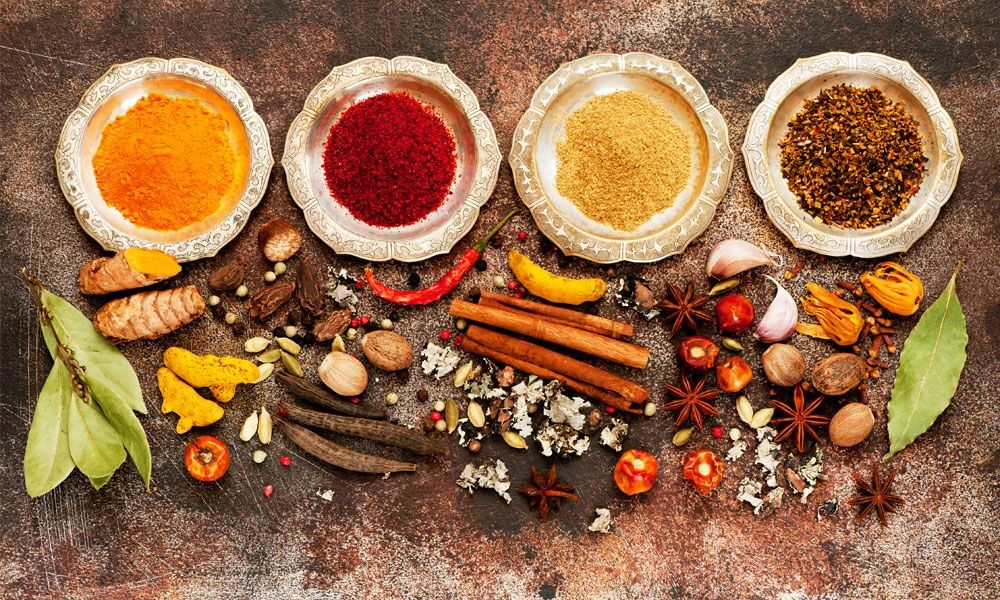
In India, food is deeply intertwined with culture, and SPICE BLEND is a key part of that cultural identity. Every region has its signature masalas—whether it’s garam masala from the North, punch porin from Bengal, or sambar powder from the South. These blends are often a reflection of local ingredients, climate, and lifestyle.
Cooking with HOME MADE MASALA is often a communal activity, with spice preparation considered an art form. Grinding spices by hand, roasting them to perfection, and mixing them into dishes is a practice passed down from one generation to the next. For many, the smell of freshly made masala evokes memories of home, family gatherings, and festive occasions. Beyond flavor, masala plays a role in ceremonies and rituals, where food is a means of celebration and nourishment.
Tips for Using DESI MASALA in Daily Cooking
Incorporating SPICE BLEND into your everyday cooking can elevate your dishes and provide health benefits. Here are some tips on how to use these powerful spices:
- Start with a basic blend: For beginners, a simple blend of cumin, coriander, turmeric, and chili powder can serve as a great base for most Indian dishes.
- Roast your spices: To release the full flavor of spices, roast them lightly in a dry pan before grinding or using them in dishes.
- Use fresh spices: While store-bought masalas are convenient, making your own blend with fresh spices ensures better flavor and potency.
- Balance the flavors: Masala blends are all about balance. Too much heat or bitterness can overpower the dish, so always start with smaller quantities and adjust to taste.
- Experiment with regional masalas: Each Indian region has its unique spice mix. Experimenting with these will add variety to your meals and introduce you to new flavors.
Conclusion
Indian masala is more than just a mix of spices—it’s a treasure trove of flavor, culture, and health benefits. Whether you’re looking to enhance the taste of your meals, boost your health, or connect with a rich culinary tradition, adding home made masala to your cooking is a step in the right direction. Its versatility in different dishes and therapeutic properties make it an essential part of any kitchen.
By incorporating seasoning into your daily cooking, you’re not just adding taste, but also nurturing your body with the medicinal properties of spices that have been cherished for centuries.
You can also visit our SOCIAL MEDIA Accounts.